
Why digital clutter is destroying your focus
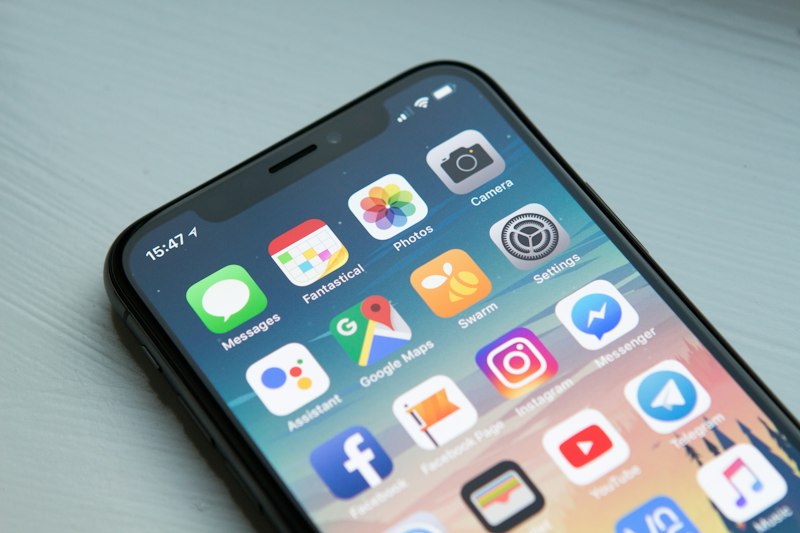
Your phone buzzes. You glance at the notification, lose your train of thought, and spend the next 23 minutes recovering your focus. This isn't a personal failing. It's a predictable consequence of living in an environment designed to interrupt you. The average person checks their phone 96 times per day and spends over 7 hours on screens. That's not a habit problem. That's an environment problem. And the solution starts with a digital declutter.
Digital clutter operates through three mechanisms that quietly erode your ability to think clearly:
- Notification fatigue: Every app on your phone is competing for your attention. Each notification, however small, triggers a micro-decision: respond now or later? That adds up to hundreds of unnecessary decisions per day, draining the same mental energy you need for actual work.
- Decision fatigue: A cluttered inbox with 4,000 unread emails, a phone with 87 apps, and a desktop covered in screenshots all create a background cognitive load. Your brain processes visual clutter even when you're not consciously looking at it, which means your digital environment is taxing you every time you pick up a device.
- Dopamine loops: Social media feeds, email refresh, news apps, and messaging platforms are all engineered to deliver unpredictable rewards. This creates compulsive checking behavior that fragments your attention into tiny, unproductive bursts. If you have ADHD, these loops are especially difficult to break without environmental changes. Our guide on ADHD time management covers this in depth.
The good news: you don't need willpower to fix this. You need a system. And this 30-day challenge is that system.
The 30-day digital declutter challenge
This challenge is structured into four weeks, each targeting a different layer of your digital life. You'll spend 15-20 minutes per day on focused tasks. By the end, your devices will work for you instead of against you.
Week 1: Phone cleanup
Your phone is the primary source of digital clutter for most people. It's the device you touch first in the morning and last at night. Week 1 is about stripping it back to essentials.
- Day 1 — App audit: Open your phone's storage settings and sort apps by last used. Delete anything you haven't opened in 30 days. Be ruthless. If you need it later, you can re-download it in seconds. Most people find 15-30 apps to remove on this step alone.
- Day 2 — Notification purge: Go to Settings > Notifications and turn off notifications for every app except phone calls, messages from real humans, and your calendar. No news alerts. No social media pings. No promotional notifications. This single change will reclaim more focus than any productivity app you could install.
- Day 3 — Home screen reset: Move every app off your home screen. Then add back only the 6-8 apps you use daily for genuine utility (calendar, notes, maps, camera, messaging). Social media and entertainment apps go to the second screen or deeper. Out of sight reduces the compulsive tap.
- Day 4-5 — Email unsubscribe: Open your email inbox and search for "unsubscribe." Go through the results one by one and unsubscribe from every newsletter, promotion, and mailing list that doesn't actively improve your life. This typically removes 30-60 recurring emails per week from your inbox.
- Day 6-7 — Contact and photo cleanup: Delete duplicate contacts, remove outdated entries, and go through your recent photos to delete screenshots, blurry images, and duplicates. Use your phone's built-in storage tool to identify and remove large files you no longer need.
Week 2: Social media reset
Social media is the single biggest contributor to screen time for most people, and the area where digital clutter has the largest impact on mental health. This week is about reshaping your relationship with these platforms rather than quitting them entirely.
- Day 8-9 — Unfollow audit: Go through each platform and unfollow or mute every account that makes you feel worse after viewing. This includes accounts that trigger comparison, outrage, FOMO, or mindless scrolling. Keep only accounts that educate, inspire, or genuinely entertain you. Most people unfollow 50-70% of their following list.
- Day 10 — Set time limits: Use your phone's built-in screen time tools (Screen Time on iOS, Digital Wellbeing on Android) to set daily limits for social media apps. Start with 30 minutes per day total across all platforms. The limit acts as a guardrail, not a punishment.
- Day 11 — Remove from home screen: If you haven't already, move all social media apps to a folder on your second or third screen. Better yet, delete the apps entirely and access them only through your phone's browser, which adds friction that dramatically reduces mindless opening.
- Day 12-13 — Turn off algorithmic feeds: Where possible, switch to chronological or "following only" feeds instead of algorithmic recommendations. This removes the infinite scroll trap that keeps you engaged far longer than intended.
- Day 14 — Review and reflect: Check your screen time stats for the past week compared to the week before. Most people see a 30-50% reduction. Notice how you feel. The initial discomfort of fewer notifications typically gives way to a surprising sense of calm.
If you're finding the social media reset particularly challenging and suspect ADHD might be a factor, the dopamine menu concept can help you replace scrolling with healthier stimulation sources.
Week 3: Digital files
By week 3, your phone and social media are under control. Now you tackle the accumulated digital debris across your devices: the cluttered desktop, the overflowing downloads folder, and the cloud storage account you've been ignoring for three years.
- Day 15 — Desktop zero: Move everything on your computer desktop into a single folder called "Desktop Archive [Date]." Then commit to keeping your desktop empty going forward. A clean desktop reduces visual noise every time you open your laptop and creates a psychological fresh start.
- Day 16-17 — Downloads folder purge: Sort your Downloads folder by date and delete everything older than 30 days. If you haven't needed it in a month, you won't need it. Then set a recurring monthly reminder to repeat this step.
- Day 18-19 — Cloud storage organization: Open Google Drive, Dropbox, iCloud, or whatever cloud service you use. Create a simple folder structure: Work, Personal, Finance, Health, and Archive. Move every file into the appropriate folder. Delete duplicates and anything you no longer need.
- Day 20 — Photo backup and cleanup: Back up your photos to a cloud service if you haven't already. Then delete photos you don't want to keep. Most people's camera rolls are 60-70% screenshots, duplicates, and photos of things they'll never look at again.
- Day 21 — Password and account audit: Review your saved passwords and identify accounts you no longer use. Delete or deactivate those accounts. This reduces your digital footprint and eliminates potential security vulnerabilities.
If you're also tackling your physical space alongside the digital declutter, our physical declutter challenge is the perfect companion. The two work well in parallel because the mindset is identical: remove what doesn't serve you and organize what remains.
Week 4: Digital habits
The first three weeks cleared the clutter. Week 4 is about building the habits that prevent it from returning. Without new defaults, your phone will re-clutter itself within a month. This week locks in the gains.
- Day 22-23 — Screen-free morning routine: Commit to keeping your phone untouched for the first 30-60 minutes after waking. Charge it outside the bedroom if needed. Replace the morning scroll with a low dopamine morning routine that sets a calm, focused tone for the day instead of an anxious, reactive one.
- Day 24 — Phone-free meals: Make every meal a phone-free zone. Put your phone in another room or face-down in a drawer. This single habit improves your relationship with food, with the people you're eating with, and with your own ability to be present.
- Day 25-26 — Evening screen cutoff: Set a hard cutoff time for screens, ideally 60-90 minutes before bed. The blue light and mental stimulation from screens directly interfere with sleep quality. For more on this, see our sleep optimization guide. Replace evening scrolling with reading, journaling, stretching, or conversation.
- Day 27-28 — Single-tasking practice: For two days, commit to doing one thing at a time on your devices. No second screens. No checking email while in a meeting. No scrolling while watching TV. Close all browser tabs except the one you're using. Single-tasking is a skill that atrophies with disuse, and rebuilding it here makes everything else easier.
- Day 29-30 — Review and commit: Review your screen time stats for the full month. Write down the three changes that made the biggest difference. Commit to maintaining those three changes as permanent habits. Delete any apps that crept back in during the challenge.
The one-in-one-out rule
After completing the challenge, adopt a simple rule for digital subscriptions, apps, and accounts: for every new one you add, remove one you already have. Want to try a new app? Delete one first. Subscribing to a new newsletter? Unsubscribe from an old one. This prevents the slow re-accumulation that undoes most decluttering efforts within a few months.
Apply this to paid subscriptions too. The average person spends $219 per month on subscriptions they've forgotten about or barely use. The one-in-one-out rule forces a conscious evaluation every time you add something new. Track your subscriptions with habit tracker methods that make the invisible visible.
How digital decluttering helps ADHD brains
If you have ADHD, digital clutter isn't just annoying. It's actively working against your brain's ability to function. ADHD brains already struggle with filtering irrelevant stimuli, managing working memory, and resisting impulsive behavior. A cluttered digital environment makes every one of these challenges harder.
- Fewer distractions = fewer task switches: Every notification is a potential task switch, and ADHD brains have a much harder time returning to the original task after an interruption. Reducing notifications from 80+ per day to under 10 can dramatically improve sustained focus.
- Reduced decision fatigue: ADHD brains burn through executive function faster than neurotypical brains. A simplified digital environment means fewer micro-decisions throughout the day, preserving mental energy for the decisions that actually matter.
- Environmental cues replace willpower: Instead of relying on self-control to avoid distracting apps (a strategy that fails consistently for ADHD brains), a decluttered phone uses environmental design to make the right behavior the easy behavior. You can't mindlessly open an app that isn't on your home screen.
For a comprehensive approach to managing ADHD beyond digital decluttering, our ADHD planner guide covers the tools and systems that work best for executive function challenges. And if you want to go deeper on focus strategies, focusing with ADHD without medication covers environmental design, body doubling, and other evidence-based approaches.
Maintaining your digital space
A one-time declutter will degrade without maintenance. The good news is that maintaining a clean digital environment takes far less effort than the initial cleanup. Build a weekly 10-minute maintenance routine:
- Monday (2 min): Delete any apps downloaded in the past week that you didn't use more than twice
- Wednesday (3 min): Clear your Downloads folder and empty your email trash and spam
- Friday (3 min): Review your screen time stats for the week and unsubscribe from any new email lists that snuck in
- Sunday (2 min): Delete photos and screenshots from the past week that you don't need to keep
Ten minutes per week prevents the slow return of digital chaos. Set a recurring reminder in your calendar. After a few weeks, it becomes automatic.
What to expect
The first week of a digital declutter is uncomfortable. You'll reach for your phone out of habit and find nothing to scroll. You'll feel a vague restlessness when notifications stop arriving. This is normal and temporary. It's the same withdrawal pattern that happens when you remove any compulsive behavior, and it typically fades within 5-7 days.
By the end of 30 days, most people report:
- More focus: Without constant interruptions, your ability to concentrate on a single task for 30-60 minutes returns. This alone can transform your productivity at work and your presence in personal relationships.
- Better sleep: Reduced evening screen time and fewer anxiety-triggering notifications lead to faster sleep onset and better sleep quality. Many people notice this within the first two weeks.
- Reduced anxiety: The constant low-grade stress of an overflowing inbox, unread notifications, and social media comparison fades when you remove the triggers. Several studies have linked reduced social media use to measurably lower anxiety and depression scores.
- Reclaimed time: When screen time drops from 7 hours to 3-4 hours per day, you gain 20+ hours per week. That's a part-time job's worth of time that was previously consumed by digital clutter.
- Greater intentionality: The most lasting change is psychological. You stop using your devices on autopilot and start using them on purpose. Every app on your phone, every account you follow, and every subscription you maintain becomes a deliberate choice rather than an inherited default.
The 30-day digital declutter isn't about becoming anti-technology. It's about becoming intentional with technology. Your devices should serve your goals, not hijack your attention. Clean them up, set boundaries, and take back your focus.