
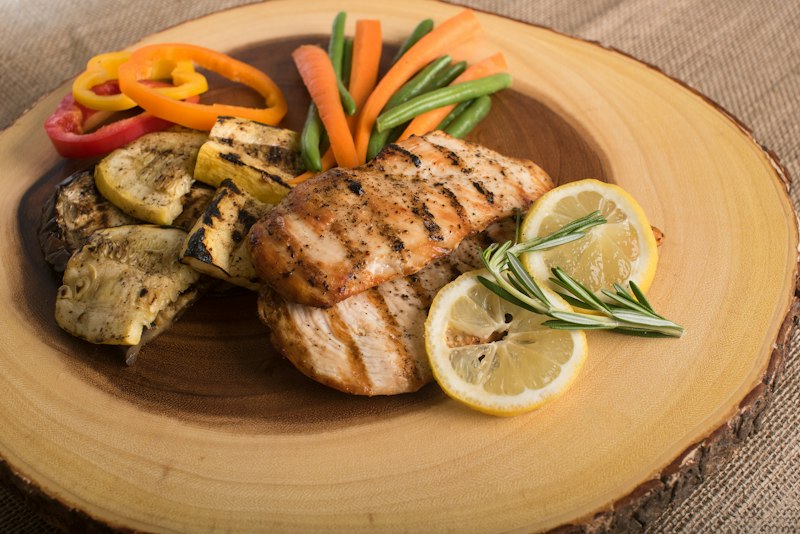
If you want to build muscle, lose fat, or both, protein is the single most important nutrient to get right. But hitting 150 grams or more every day is hard when you're winging it. You end up eating the same sad chicken breast, skipping meals, or grabbing a protein bar at 9pm because you're 60 grams short. High protein meal prep solves all of that. You cook once, portion everything out, and every meal in your fridge already has the protein you need built in.
This guide gives you the full system: how much protein you actually need, a 7-day meal plan with macro targets, the best budget-friendly protein sources, four recipes you can batch cook in under two hours, and storage tips that keep everything fresh through Friday. If you're also trying to keep your grocery bill under control, pair this with our meal prep on a budget guide for the full picture.
Why high protein matters for muscle and fat loss
Protein does two things that no other macronutrient can match. First, it provides the amino acids your muscles need to repair and grow after training. Without enough protein, your workouts are essentially wasted. You break down muscle fibers in the gym, but you don't give your body the raw materials to rebuild them stronger.
Second, protein is the most satiating macronutrient. It keeps you full longer than carbs or fat, which means you eat less overall without feeling deprived. Studies consistently show that people who increase their protein intake lose more body fat while preserving lean muscle mass, even without consciously trying to eat less.
There's a third benefit most people overlook: the thermic effect. Your body burns roughly 20-30% of protein calories just digesting it, compared to 5-10% for carbs and 0-3% for fat. So if you eat 800 calories of protein, your body only nets about 560-640 of those calories. It's not a magic trick, but it adds up over weeks and months.
Whether you're following a home workout plan or hitting the gym five days a week, protein is the foundation. Without it, you're leaving results on the table.
How much protein you actually need
Forget the old recommendation of 0.36 grams per pound. That's the minimum to avoid deficiency, not the amount to build muscle or support fat loss. Current research consistently supports a range of 0.7 to 1 gram of protein per pound of bodyweight for people who train regularly.
Here's what that looks like in practice:
- 130 lb person: 91-130g protein per day
- 150 lb person: 105-150g protein per day
- 170 lb person: 119-170g protein per day
- 200 lb person: 140-200g protein per day
If you're significantly overweight, use your goal bodyweight instead. A 250-pound person trying to get to 190 doesn't need 250g of protein. Aim for 133-190g instead.
The key is to spread your protein across 4-5 meals and snacks throughout the day rather than trying to cram it all into one or two sittings. Your body can only synthesize about 30-50 grams of protein for muscle building in a single meal. The rest still counts toward your daily total and satiety, but spacing it out optimizes muscle protein synthesis.
Best budget-friendly protein sources for meal prep
You don't need expensive supplements or grass-fed filet mignon to hit your protein targets. The most practical protein sources for meal prep are cheap, widely available, and batch-cook beautifully. Here's the short list, ranked by cost per gram of protein:
- Eggs: About $0.25 each with 6g protein. Incredibly versatile. Hard-boil a dozen on prep day, use them in egg muffins, scrambles, or as snacks. One of the highest-quality protein sources that exists.
- Chicken thighs: $2-3/lb with 26g protein per thigh. Cheaper and more flavorful than chicken breast. They stay moist after reheating, which is critical for meal prep. Season with different spices each week to avoid burnout.
- Ground turkey (93% lean): $3-4/lb with about 22g protein per 4oz serving. Perfect for chili, taco bowls, and stir-fries. Cooks in 10 minutes and absorbs whatever seasoning you throw at it.
- Canned tuna: $1/can with 20g protein. Zero prep required. Mix with Greek yogurt instead of mayo, add mustard, celery, and you have a protein-packed lunch in 2 minutes.
- Greek yogurt: $0.75/serving with 15-17g protein. Eat it as a snack, use it as a base for overnight oats, or mix it into sauces. Buy the large tubs, not individual cups, to save 30-40%.
- Cottage cheese: $0.60/serving with 14g protein. Underrated and extremely filling. Works as a snack on its own, mixed with fruit, or blended into smoothies.
- Dried lentils: $0.15/serving with 18g protein per cooked cup. The cheapest protein on this list by far. Also packed with fiber, which most high-protein diets lack. Add them to chili, soups, or serve alongside chicken.
For a full organized shopping list with quantities and estimated prices, check out our weekly grocery list.
The 7-day high protein meal plan
This plan targets 150-170g of protein per day with roughly 2,000-2,200 calories. Adjust portions up or down based on your size and goals. Each day follows the same structure: protein-heavy breakfast, balanced lunch, protein-forward dinner, and one snack.
Daily structure (macro targets per meal)
- Breakfast (35-40g protein): Protein overnight oats or egg muffins + Greek yogurt
- Lunch (40-45g protein): Chicken and rice bowl or turkey chili with lentils
- Dinner (40-45g protein): Seasoned protein + roasted vegetables + grain
- Snack (25-30g protein): Cottage cheese with fruit, tuna salad, or hard-boiled eggs
Weekly overview
Monday-Wednesday: Fresh-prepped meals from your Sunday cook. Chicken thigh bowls for lunch, ground turkey chili for dinner, protein overnight oats ready in the fridge each morning.
Thursday: Transition day. Pull your frozen portions from the freezer to thaw in the fridge overnight.
Friday-Sunday: Thawed frozen portions for lunch and dinner. Saturday or Sunday, you do your next prep session.
The beauty of this rotation is that you're never eating food that's been sitting in the fridge for more than 3-4 days. Everything tastes fresh because it either was just prepped or was frozen at peak quality and thawed right before eating.
Four batch-cook recipes for the week
1. Protein overnight oats (35g protein per serving)
This takes 5 minutes to assemble and gives you breakfast for the entire week. Make 5 jars on Sunday night.
- 1/2 cup rolled oats
- 1 scoop protein powder (or 1/2 cup Greek yogurt)
- 3/4 cup milk (dairy or high-protein plant milk)
- 1 tbsp chia seeds
- 1 tbsp peanut butter
- Pinch of cinnamon
Combine everything in a mason jar or container, stir, and refrigerate overnight. In the morning, top with banana slices or berries. Each jar delivers about 35g of protein and keeps in the fridge for 5 days.
2. Chicken and rice bowls (42g protein per serving)
The foundation of any high-protein meal prep. Season your chicken differently each week to keep things interesting.
- 5 lbs bone-in chicken thighs (or 3 lbs boneless)
- 2 cups uncooked brown rice or jasmine rice
- 2 lbs mixed vegetables (broccoli, bell peppers, zucchini)
- Olive oil, garlic powder, paprika, salt, pepper
Season chicken thighs with olive oil, garlic powder, paprika, salt, and pepper. Bake at 400 degrees for 35-40 minutes (bone-in) or 25 minutes (boneless). Cook rice on the stovetop. Roast vegetables at 425 degrees for 20 minutes. Portion into containers: one thigh, 3/4 cup rice, 1 cup vegetables.
3. Turkey chili (38g protein per serving)
One pot, massive protein, and it actually gets better after a day or two in the fridge. Makes 6 large servings.
- 2 lbs ground turkey (93% lean)
- 2 cans kidney beans, drained and rinsed
- 1 can diced tomatoes
- 1 can tomato sauce
- 1 diced onion, 3 cloves garlic
- 2 tbsp chili powder, 1 tsp cumin, salt to taste
Brown the turkey in a large pot over medium-high heat. Add onion and garlic, cook 3 minutes. Add everything else, bring to a boil, then reduce heat and simmer for 30 minutes. The beans add both protein and fiber, which is essential in a high-protein diet. Portion into 6 containers. This freezes exceptionally well.
4. Egg muffins (24g protein per 3 muffins)
A grab-and-go breakfast or snack that reheats in 30 seconds. Makes 12 muffins.
- 12 large eggs
- 1/2 cup diced bell peppers
- 1/2 cup diced spinach
- 1/4 cup shredded cheese
- Salt, pepper, garlic powder
Whisk all eggs together with salt, pepper, and garlic powder. Divide vegetables and cheese evenly into a greased 12-cup muffin tin. Pour egg mixture evenly over the top. Bake at 375 degrees for 20-22 minutes until set. Let cool, then store in an airtight container. Eat 3 muffins for a 24g protein breakfast or snack. They last 5 days in the fridge or 2 months in the freezer.
Batch cooking strategy for proteins
The secret to sustainable high-protein meal prep is cooking your proteins in bulk and varying the seasoning. Here's the approach that works best, and you can knock it all out using our 2-hour Sunday meal prep system:
- Start the rice (0:00). Get your grain going first since it needs the least attention. Set it and walk away.
- Season and bake chicken thighs (0:05). Season half with a Mediterranean blend (oregano, lemon, garlic) and the other half with a smoky blend (paprika, cumin, chili powder). Bake at 400 degrees for 35 minutes.
- Start the turkey chili (0:10). Brown the ground turkey while the chicken is in the oven. Add the rest of the chili ingredients and let it simmer.
- Prep vegetables (0:20). Wash, chop, and toss your vegetables in olive oil. When the chicken comes out, the vegetables go in.
- Assemble egg muffins (0:40). Whisk, pour, bake. These go in when the vegetables come out.
- Make overnight oats (0:50). Assemble 5 jars while the egg muffins bake.
- Portion everything (1:15). Divide all proteins, grains, and vegetables into containers.
- Freeze Thursday-Sunday portions (1:30). Label clearly with the day they should be eaten. Clean up.
Total active time: about 1 hour and 45 minutes. You now have 25+ meals with 35-45g of protein each.
Storage and reheating tips for high-protein meals
Protein-heavy meals need a bit more care in storage than simple grain bowls. Here's what matters:
- Cooked chicken and turkey last 4 days in the fridge at or below 40 degrees. Don't push it to day 5. If you're prepping for a full week, freeze half your portions immediately on prep day.
- Let food cool before storing. Putting hot food in containers and sealing them creates condensation, which makes everything soggy. Let meals cool for 15-20 minutes before lidding and refrigerating.
- Keep sauces and dressings separate. Store any wet toppings, sauces, or dressings in small separate containers. This prevents your rice from getting mushy and your proteins from getting waterlogged.
- Reheat to 165 degrees. This is especially important for chicken and turkey. Microwave for 2-3 minutes, stirring halfway through to ensure even heating. If your microwave has a power setting, use 80% power for more even results.
- Use proper containers. Glass containers with locking lids are ideal for protein-heavy meals because they don't absorb odors or stain. See our meal prep container guide for specific recommendations.
- Hard-boiled eggs last 7 days peeled or unpeeled. Keep them in a sealed container with a damp paper towel to prevent drying out.
Common high-protein meal prep mistakes
After helping thousands of people set up their meal prep systems, these are the mistakes we see over and over:
Not enough variety
Eating the same plain chicken and rice for 21 meals a week is a fast track to quitting. Use different seasonings, rotate your protein sources, and change your vegetables weekly. The recipes above give you four distinct meals with different flavors and textures. That's the minimum variety you need to stay consistent.
Forgetting fiber
High-protein diets are notorious for causing digestive issues, and the reason is almost always a lack of fiber. When you increase protein, you tend to decrease fruits, vegetables, and whole grains without realizing it. Aim for 25-35 grams of fiber daily. Lentils, beans, broccoli, berries, and oats are your best friends here. The turkey chili recipe above packs 12g of fiber per serving specifically for this reason.
Skipping fat entirely
Some people slash fat to keep calories low while maximizing protein. Bad idea. Dietary fat is essential for hormone production (including testosterone, which drives muscle growth), vitamin absorption, and joint health. Aim for at least 0.3 grams of fat per pound of bodyweight. For a 170-pound person, that's a minimum of 51g of fat per day. Chicken thighs, eggs, peanut butter, and olive oil cover this easily.
Not tracking for the first two weeks
You don't need to track macros forever, but you should track for at least two weeks when starting a high-protein diet. Most people dramatically overestimate how much protein they eat. Track using a free app, realize you're actually eating 80g when you thought you were eating 140g, then adjust. After two weeks, you'll have enough pattern recognition to eyeball it accurately.
Ignoring training
All the protein in the world won't build muscle if you're not training. Protein supports recovery from resistance training. Without the training stimulus, excess protein is just expensive calories. If you don't have a gym membership, our home workout plan or 30-minute workout routine will give you everything you need to start building muscle at home.
Putting it all together
High protein meal prep isn't complicated once you have the system. Pick your protein sources, batch cook on Sunday, portion everything into containers, freeze what you won't eat in the first 3-4 days, and repeat. The whole thing takes under 2 hours per week and costs $60-75 for one person.
Start this week. Pick two recipes from this guide, buy the ingredients, and do one prep session. You don't need to nail every meal from day one. Even prepping just your lunches will put you 30-40g of protein ahead of where you'd be otherwise. Stack wins, build the habit, and refine as you go.
If you want the entire system done for you with every recipe, a complete grocery list, and a prep-day schedule, the Meal Prep Masterplan has everything in one printable PDF. But this guide alone is enough to get started today.