
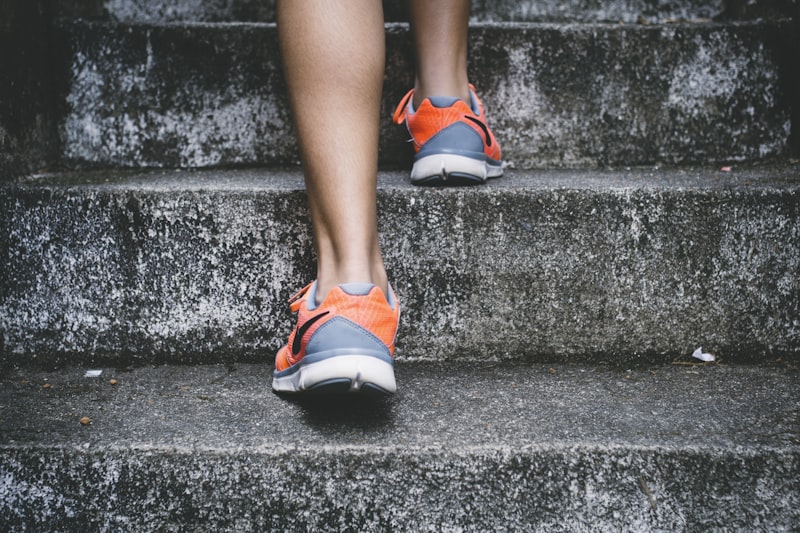
Walking is the most underrated exercise for weight loss. It requires no equipment, no gym membership, no special skills, and almost anyone can do it regardless of fitness level. Yet most people dismiss it as "not a real workout" and chase high-intensity programs they quit within two weeks. Here's the truth: walking, done consistently and strategically, burns serious calories, reduces the stress hormones that cause fat storage, and is sustainable enough to actually keep doing for the rest of your life. This guide covers exactly how to use walking to lose weight, including a 4-week plan you can start today.
Why walking is underrated for weight loss
The fitness industry has a bias toward intensity. The harder a workout looks, the more effective it must be, right? Wrong. The best exercise for weight loss is the one you actually do consistently, and nothing beats walking for consistency.
Walking is low-impact, meaning it doesn't stress your joints the way running, jumping, or heavy lifting does. You can do it every single day without needing recovery time. That matters because frequency compounds. A 30-minute walk done six days a week burns far more total calories than a brutal HIIT session done twice before you give up.
Walking also burns more calories than most people realize. The average person burns roughly 100 calories per mile walked. Walk three miles a day and that's 300 calories, or 2,100 per week, which works out to more than 30 pounds of potential fat loss per year if everything else stays equal.
There's a hormonal benefit too. Walking, especially outdoors, lowers cortisol levels. Cortisol is the stress hormone directly linked to abdominal fat storage. High-intensity exercise actually spikes cortisol in the short term. Walking does the opposite: it calms your nervous system while still burning energy. For people dealing with chronic stress, poor sleep, or high-pressure jobs, this makes walking a particularly powerful fat-loss tool.
How many calories does walking actually burn?
The widely cited figure is about 100 calories per mile, but the actual number depends on your body weight and walking pace. Heavier people burn more calories per mile because they're moving more mass. Faster walking burns more per minute but roughly the same per mile.
| Body Weight | Calories per Mile (3 mph) | Calories per Mile (4 mph) |
|---|---|---|
| 130 lbs | 75 cal | 85 cal |
| 155 lbs | 90 cal | 100 cal |
| 180 lbs | 105 cal | 115 cal |
| 205 lbs | 120 cal | 130 cal |
| 230 lbs | 135 cal | 150 cal |
The key takeaway: total distance matters more than pace for calorie burn. Walking 4 miles at any pace burns roughly 300-500 calories depending on your weight. That's comparable to many gym workouts and far easier to sustain daily.
The 10,000 steps myth: what the science actually says
The 10,000 steps per day target originated from a 1960s Japanese pedometer marketing campaign, not from scientific research. It was a round number that sounded good. The actual research tells a different story.
A 2019 study published in JAMA Internal Medicine found that mortality benefits plateaued at around 7,500 steps per day for older women. A 2021 meta-analysis in The Lancet found that the sweet spot for health benefits was 7,000-8,000 steps for adults under 60 and 6,000-8,000 for adults over 60. Beyond those numbers, benefits continued but with rapidly diminishing returns.
For weight loss specifically, the magic number depends on your calorie deficit. If you're currently sedentary at 3,000 steps per day, jumping to 7,000 steps creates a meaningful increase in daily energy expenditure. If you're already hitting 8,000, adding more steps helps but won't transform your results. The biggest gains come from moving from low activity to moderate activity.
Practical target: aim for 7,000-10,000 steps daily. Don't obsess over hitting exactly 10,000. Consistency at 7,500 beats occasionally hitting 12,000 and averaging 4,000.
The 4-week progressive walking plan
This plan gradually increases your walking volume and intensity over four weeks. Start at Week 1 regardless of your current fitness level. The progression keeps your body adapting and prevents the plateau that comes from doing the same thing every day.
| Week | Daily Walk | Weekly Goal | Notes |
|---|---|---|---|
| Week 1 | 20 min at easy pace | 6 days | Build the habit. Focus on showing up, not speed. |
| Week 2 | 30 min at moderate pace | 6 days | Increase duration. You should be able to hold a conversation. |
| Week 3 | 35 min with incline | 6 days | Add hills or treadmill incline (3-5%). This significantly increases calorie burn. |
| Week 4 | 40 min with intervals | 6 days | Alternate 2 min fast / 2 min normal pace. One rest day per week. |
After Week 4: maintain the 40-minute walks and continue adding variety through incline changes, pace intervals, or longer weekend walks. The goal is to make daily walking a permanent part of your routine, not a 4-week program you finish and forget.
Walking vs running for weight loss
Running burns more calories per minute than walking. That's a fact. But calories per minute isn't the only variable that matters. Here's the full comparison:
- Sustainability: most people can walk daily for years. Most recreational runners deal with injuries, burnout, or inconsistency within months. Walking has roughly a 1% injury rate. Running is closer to 30-50% annually.
- Recovery: walking requires zero recovery days. Running typically needs 1-2 rest days per week, reducing total weekly calorie burn.
- Appetite: intense running increases appetite significantly. Walking has a minimal effect on hunger. This means runners often eat back the calories they burned, while walkers don't.
- Fat loss with diet: when combined with a calorie-controlled diet, walking and running produce nearly identical fat loss results. The diet does the heavy lifting; the exercise is the accelerator.
If you enjoy running, run. But if you're choosing between the two purely for weight loss, walking combined with a solid meal prep for weight loss strategy will get you further than running alone with no dietary plan.
How to make walking harder without running
Once basic walking feels easy, there are several ways to increase the challenge and calorie burn without transitioning to running:
- Incline walking: walking uphill or on a treadmill at 5-10% incline increases calorie burn by 30-60% compared to flat walking. This is the single most effective upgrade.
- Weighted vest: adding 10-20 lbs of evenly distributed weight increases energy expenditure by roughly 10-15%. Start light and build up gradually. Don't use ankle or wrist weights, which alter your gait and can cause joint issues.
- Arm movements: actively swinging your arms or using walking poles (Nordic walking) engages your upper body and increases total calorie burn by about 20%.
- Pace intervals: alternate between 2 minutes of fast walking (as fast as you can go without running) and 2 minutes of normal pace. This raises your heart rate into a higher fat-burning zone and keeps your metabolism elevated after the walk ends.
- Rucking: walking with a loaded backpack (15-30 lbs) is a military-inspired approach that turns a walk into a serious full-body workout. Start with 10 lbs and add weight gradually.
Best time to walk for fat loss
Two approaches get the most attention: morning fasted walking and post-meal walking. Both work, but for different reasons.
Morning fasted walking
Walking before breakfast, when glycogen stores are partially depleted, may increase the percentage of calories burned from fat. The research here is mixed, but the practical advantage is clear: walking first thing removes scheduling conflicts and builds a non-negotiable morning habit. Many people find that starting the day with a walk improves their food choices for the rest of the day, which matters more than the marginal fat-burning difference.
Post-meal walking
A 15-20 minute walk after eating significantly blunts the blood sugar spike from your meal. A 2022 meta-analysis found that post-meal walking reduced blood glucose levels by an average of 17% compared to sitting. Lower blood sugar spikes mean less insulin, and less insulin means your body stays in fat-burning mode longer. Walking after your largest meal of the day is one of the simplest health interventions that exists.
The honest answer: the best time to walk is whenever you'll actually do it. If you can only fit in an evening walk, an evening walk is infinitely better than a morning walk you skip.
Combining walking with strength training
Walking alone will help you lose weight, but combining it with 2-3 strength training sessions per week produces dramatically better body composition results. Here's why: walking burns calories and reduces fat, but it doesn't build or preserve muscle. When you lose weight through diet and cardio alone, roughly 25% of the weight lost is lean tissue (muscle). Adding strength training drops that number to under 10%.
More muscle means a higher resting metabolic rate, a leaner appearance at the same body weight, and better long-term weight maintenance. The combination of daily walking plus a home workout plan is arguably the most effective and sustainable fitness approach for the average person.
A simple weekly structure: walk daily, do bodyweight exercises for beginners three times per week, and take one full rest day. If you're short on time, a 30-minute workout routine combined with a 20-minute walk covers all your bases in under an hour. For more guidance on building the habit, read our guide on staying consistent with exercise.
Walking gear you actually need
The fitness industry wants to sell you walking shoes, walking clothes, walking watches, walking apps, and walking accessories. Here's what you actually need:
Comfortable shoes with decent support. That's it. They don't need to be "walking shoes." Running shoes, cross-trainers, or any athletic shoe that fits well and doesn't cause blisters will work perfectly. If you're walking more than 30 minutes daily, investing in a quality pair of shoes is worth it because they'll last and prevent foot pain. Everything else is optional.
A phone with a step counter (every modern phone has one) is useful for tracking but not required. Fitness watches are nice but absolutely not necessary. Plenty of people have lost significant weight by walking in old sneakers with zero tracking technology.
Don't let gear become a barrier. If you're waiting until you have the "right equipment" to start walking, you're procrastinating, not preparing.
Tracking progress: steps vs time vs distance
There are three ways to measure your walking, and each has pros and cons:
- Steps: easy to track with a phone or watch. Good for daily accountability. Downside: step count doesn't account for pace, incline, or effort. 7,000 flat steps and 7,000 uphill steps are very different workouts.
- Time: simplest metric. "Walk for 30 minutes" is clear, achievable, and doesn't require any tracking device. Good for beginners who find step counting stressful. Downside: you can walk very slowly for 30 minutes and barely burn anything.
- Distance: most directly correlated with calorie burn. A mile is a mile regardless of how fast you walk it. Downside: requires a route you've measured or a GPS device.
Our recommendation: use time-based targets for your daily walks (e.g., "40 minutes with intervals") and steps as a secondary check on your overall daily activity level. Don't let the tracking become more complicated than the walking itself.
If you're ready to start working out at home beyond walking, or want to combine your walking plan with structured nutrition, check out our guide on meal prep for weight loss to handle the diet side of the equation.